


02/
境内のご案内
Guide to the Temple Precincts
Guide to the Precincts
The Main Hall (Hondō)
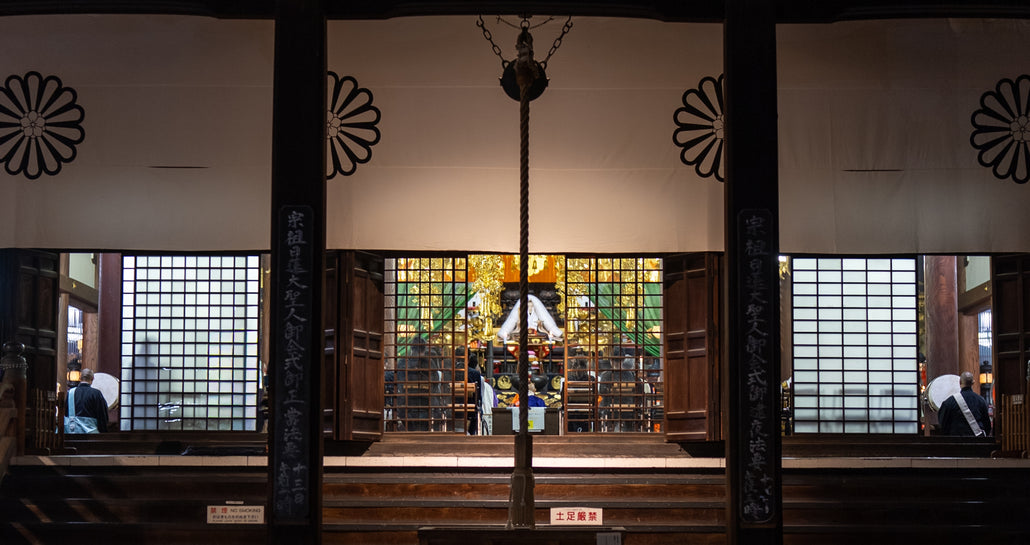
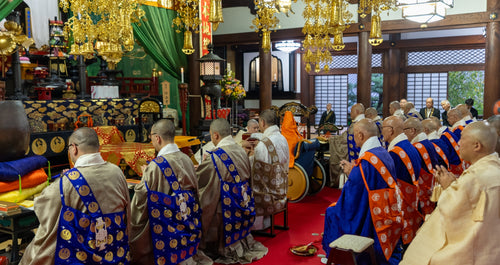
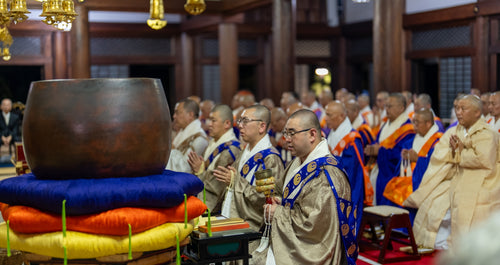
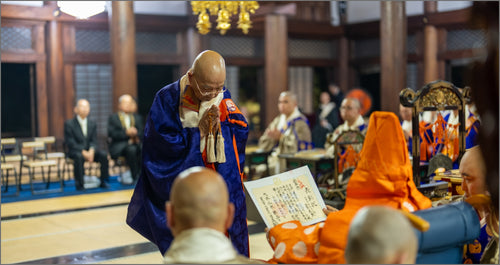
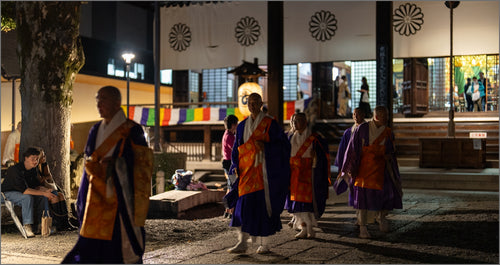
Designed by Dr. Shun'ichi Amanuma, Doctor of Engineering, this great wooden structure brings together the finest architectural forms of the Muromachi period. A single-story building seven bays by seven, with an irimoya (hip-and-gable) roof clad in traditional clay tiles, it covers a total floor area of 587.4 square meters (178 tsubo). Built entirely of zelkova (keyaki) wood, it preserves the appearance of the temple as it stood at its founding.
The Subtemples (Tacchū)
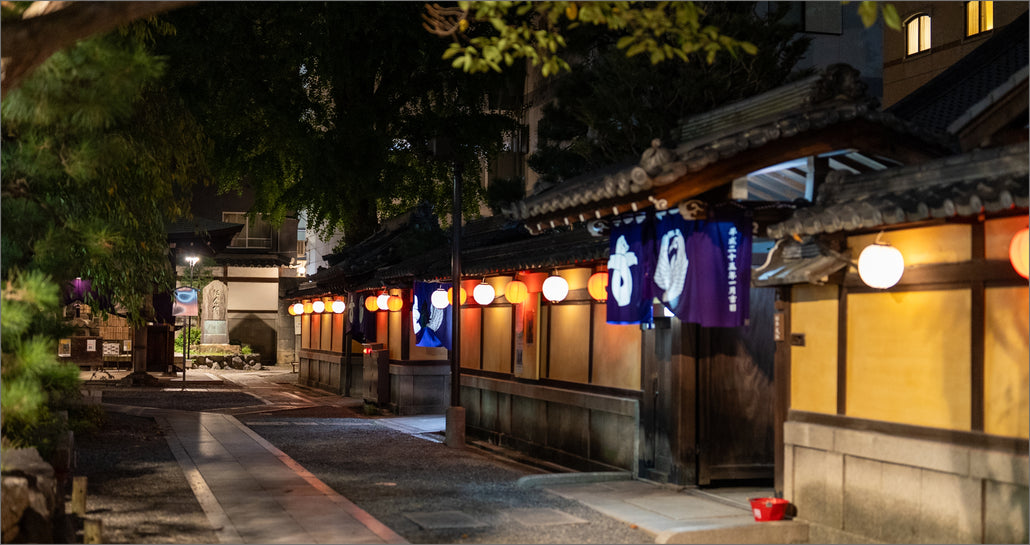
The subtemples (tacchū) are the seven sub-cloisters that stand in a row beside the main hall and attend upon Honnoji.
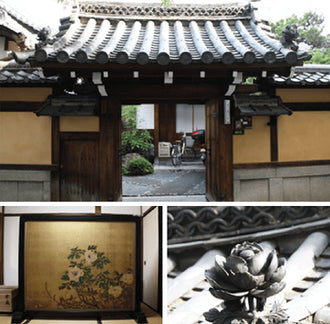
Eshōin
Founded in 1574 (the 2nd year of the Tenshō era) by Ryūei Shōnin of Kujōbō. As a lodging associated with peonies, it is also known by the alternate name "Botanbō" (Peony Cloister).
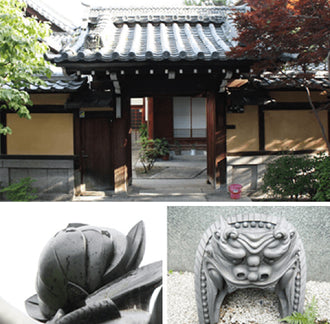
Renjōin
Founded by Nichijun Shōnin of Jōun'in. Its name is said to take the character "ren" (蓮) from Nichiren Shōnin and the character "jō" (承) from Nisshō Shōnin.
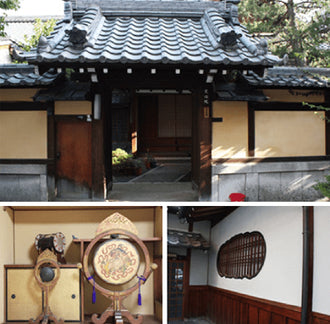
Jōshōin
During the era of Nissei Shōnin of Tentokuin, the 30th restorer of the lodging, gatherings of gagaku (court music) were held together with the temple's patrons.
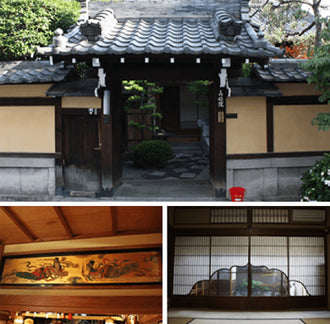
Kōshun'in
The successive seat of Daijūin Nippo Shōnin, founder of the Ikebana Honnoji school of flower arrangement.
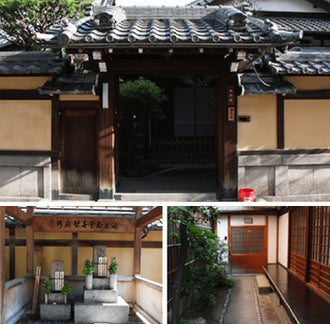
Hongyōin
Founded by Nisshō Shōnin of the Fushimi-no-miya, the 12th chief abbot of Honnoji.
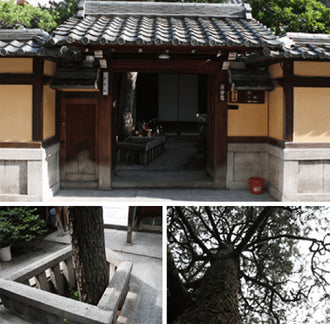
Genmyōin
Founded by Nichigyō Shōnin, the 13th chief abbot of Honnoji.
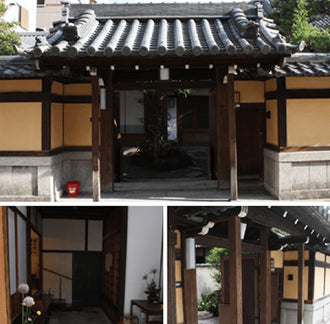
Ryōun'in
Founded in 1614 (Keichō 19), with Sugiwaka, Lord of Echigo, as its patron (kaiki) and Nichisei Daitoku of Ryōun'in as its founding priest (kaisan).
Daihōden Treasure Museum
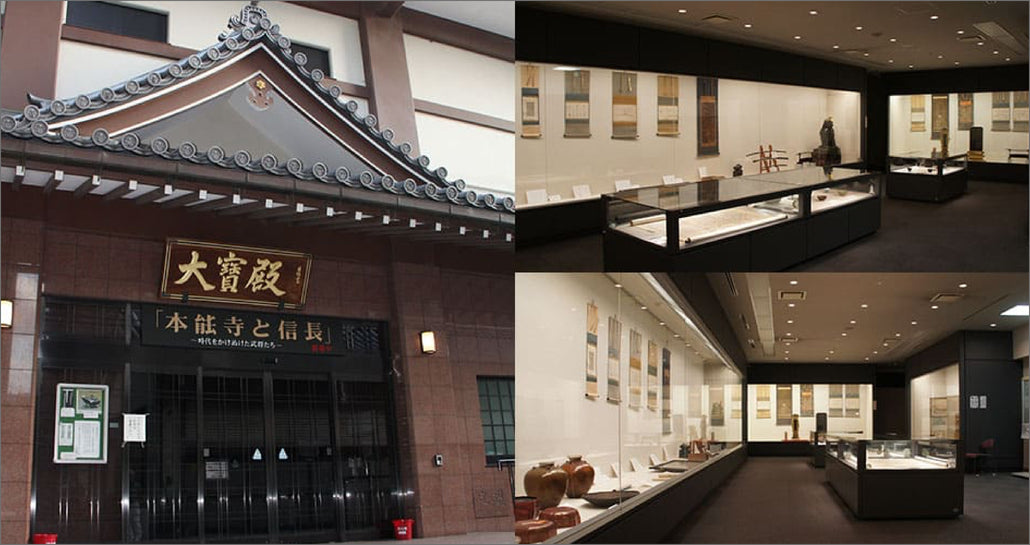
■ About the Daihōden Treasure Museum
Honnoji, grand head temple of the Hokke sect, traces its origins to Hon'ōji, founded in 1415 (the 22nd year of the Ōei era) by Nichiryū Shōnin at Aburanokōji-Takatsuji (near present-day Bukkōji). Later, when the temple was rebuilt at Uchino (around present-day Nishijin) in 1429 (the 1st year of the Eikyō era), the name was fixed as Honnoji...
■ Introducing the Exhibits
Today Honnoji preserves treasures that earlier generations risked their lives to protect through times of disaster; these are exhibited and open to the public in the treasure museum.
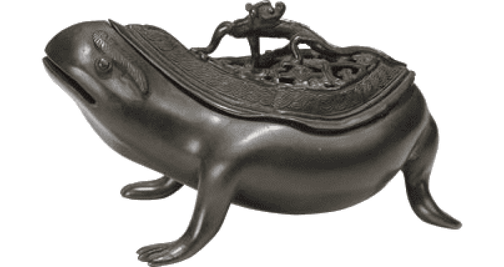
Incense Burner, "The Three-Legged Frog"
Legend holds that on the eve of the Honnōji Incident the "three-legged frog" suddenly began to croak, warning of the calamity to come.
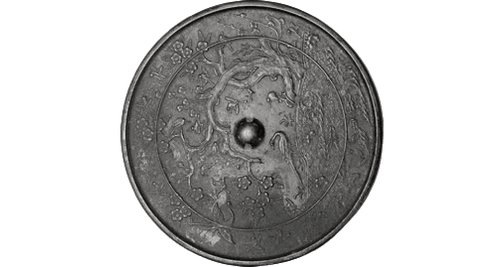
Bronze Mirror with Plum Tree, Pheasant, and Sparrow Design
Important Cultural Property.
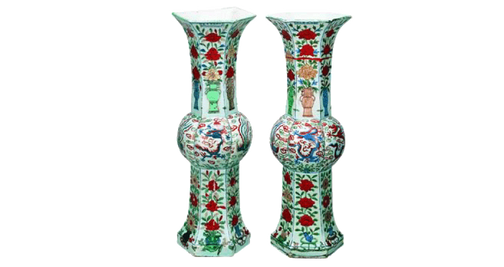
Large Wucai (Polychrome) Vase with Dragon, Phoenix, and Floral Design, marked "Made in the Wanli Era of the Great Ming," Jingdezhen Kiln
Important Cultural Property.
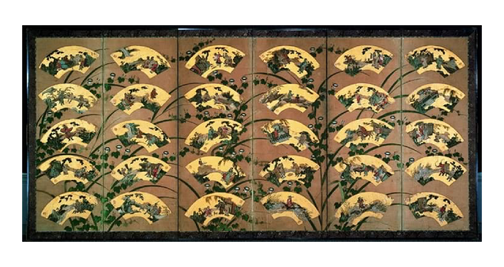
Pair of Six-Panel Folding Screens with Pasted Fan Papers Depicting Chinese Figures
Painted by Kanō Naonobu.
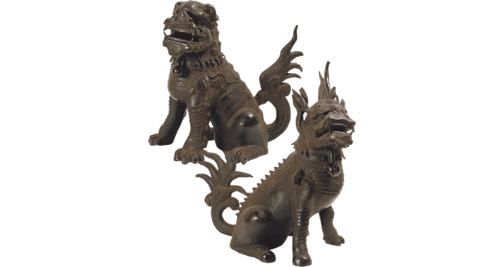
Kirin (Qilin) Incense Burner
Donated by Oda Nobunaga.
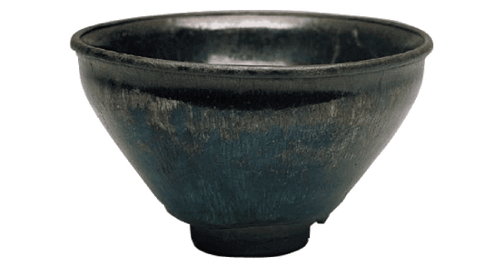
Jian-ware Tenmoku Tea Bowl
Owned by Oda Nobunaga — a kowatari piece (one brought to Japan during or before the Muromachi period).